01. Sector One

Agriculture

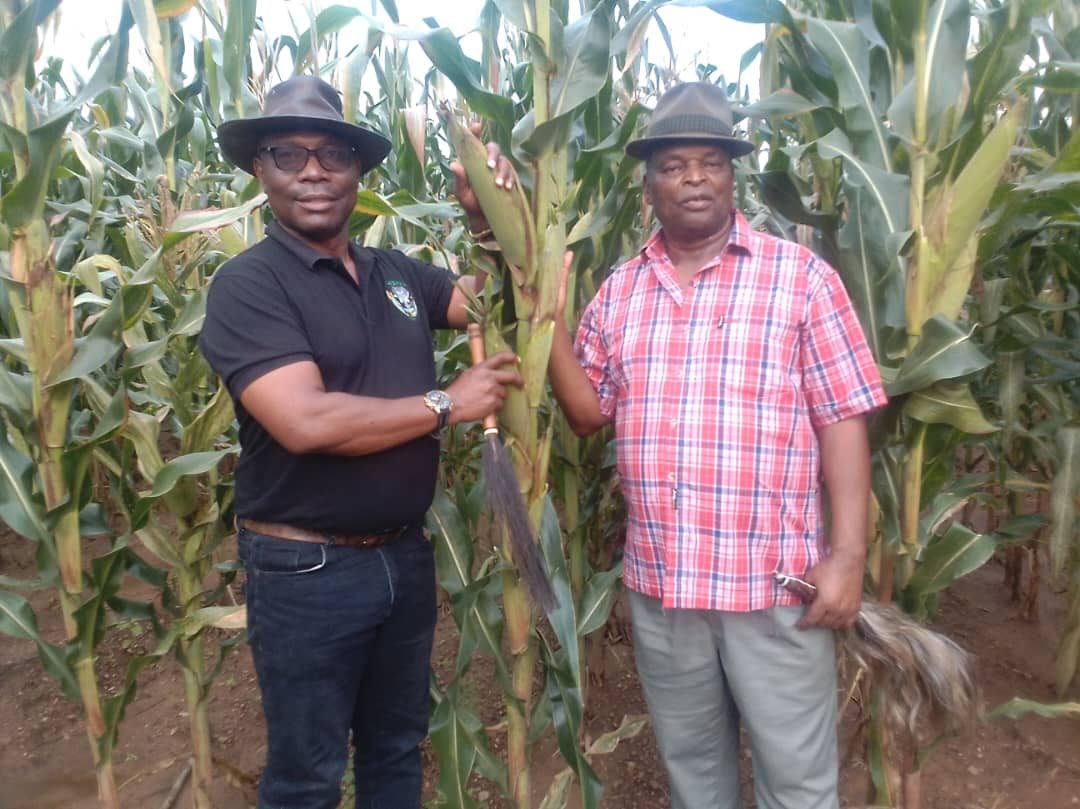
Chibwika delegation inspecting maize

Agriculture is the foundation of Chibwika's economy. Cassava is our most widely grown crop, complemented by maize, beans, groundnut and sweet potato. Eight agriculture camps across the chiefdom organise the rural production base.

Our priority is to move from subsistence farming to value-added enterprise. That means working with farmer cooperatives — particularly women-led groups — to improve yields through better varieties and practices; aggregating harvest at scale; and adding value through local processing rather than exporting raw produce at low farm-gate prices.
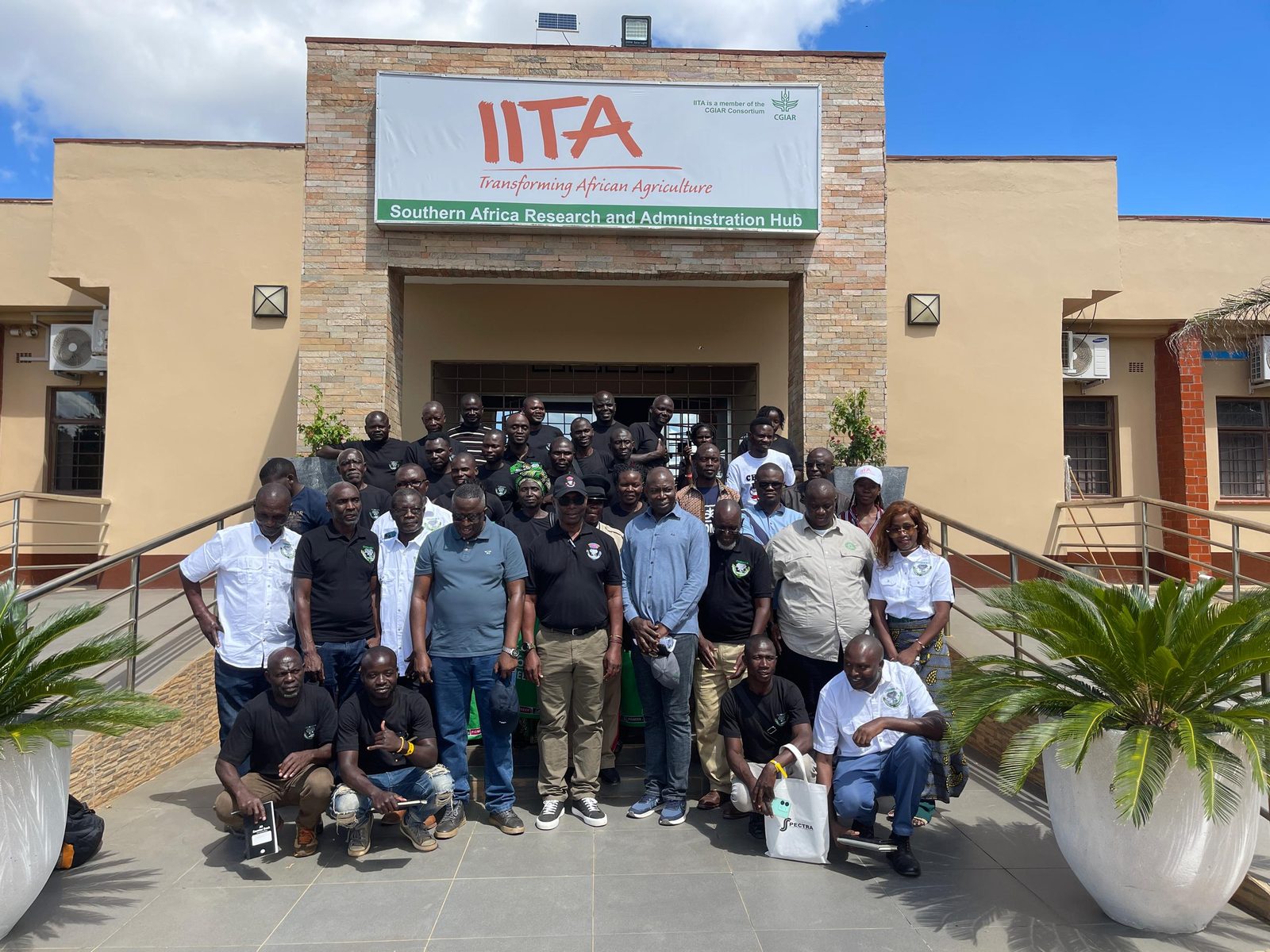
HRH Chief Chibwika and delegation at IITA Southern Africa Research Hub
Featured Initiative

A multi-crop processing facility for the chiefdom

The chiefdom is developing plans for a permanent cassava processing facility to convert local harvest into high-quality cassava flour for regional markets. Designed in partnership with technical specialists, the initiative aims to lift farm-gate prices, reduce post-harvest losses, create permanent rural jobs, and anchor a longer-term agro-trade corridor for North-Western Province.
02. Sector Two

Arts & Culture

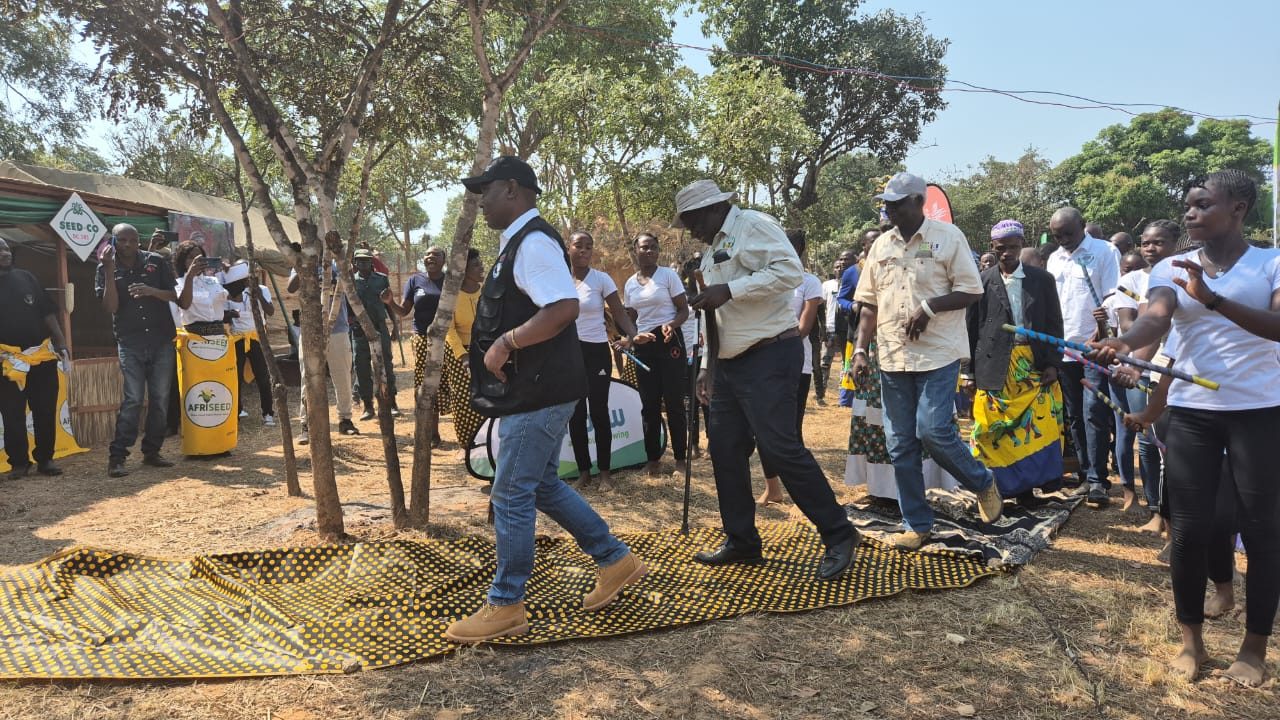
HRH Chief Chibwika received at the Chibwika Agricultural and Commercial Show

The living heritage of the Lunda people is one of Chibwika's greatest assets — language, music, dance, ceremony, craft, oral history, and knowledge of land and medicine.

Our work in this sector is about preservation and renewal in equal measure. We support cultural assemblies and ceremonial gatherings, encourage the documentation of oral history, and look for ways to connect traditional crafts with markets that value provenance and meaning. The aim is not to freeze heritage in time, but to keep it alive as a working part of contemporary Chibwika life.

03. Sector Three

Education

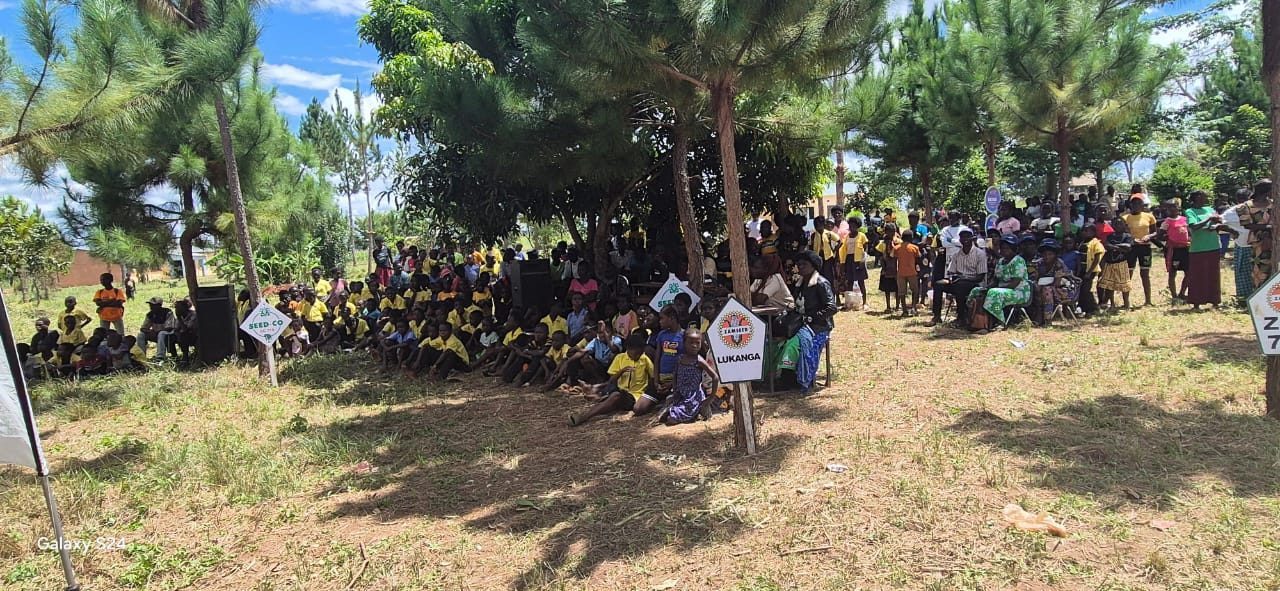
Young people of Chibwika at a community gathering

Education shapes every other sector. Our priorities run from early-childhood development through basic and secondary schooling to vocational training and bursaries for tertiary study.

We are particularly attentive to keeping girls in school through secondary level, to bridging the gap between rural classrooms and urban learning resources, and to building vocational pathways that prepare young people for the rural economy we are constructing — agribusiness, processing, logistics, hospitality and trades. Education must serve the lives our young people will actually lead.

04. Sector Four

Environment & Forestry

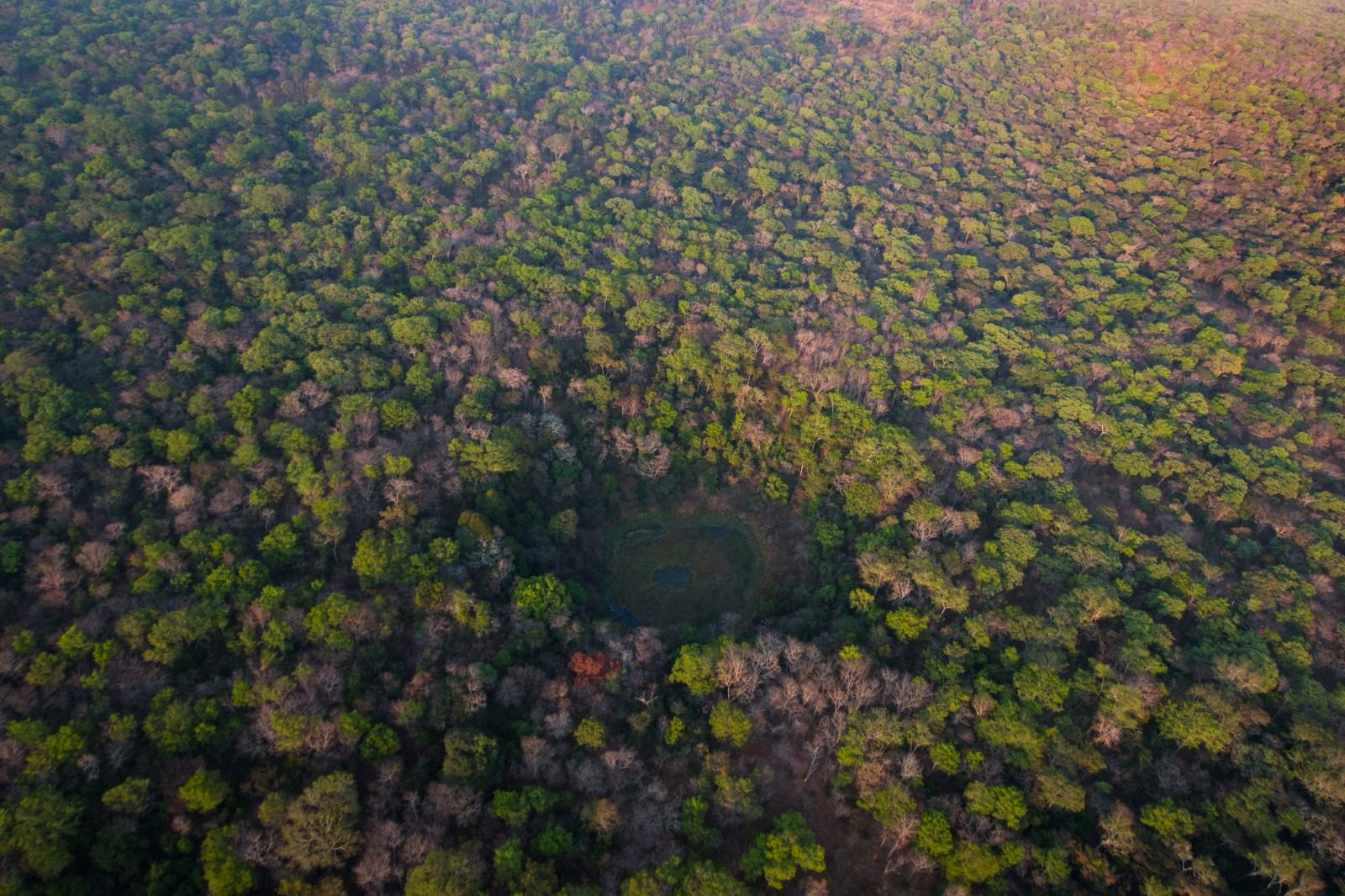
Dense miombo forest canopy, North-Western Province

Chibwika's forests, rivers and biodiversity are inheritance and asset alike. They sustain our agriculture, our water security, our cultural practices and the possibility of nature-based tourism.

Our environmental priorities include protecting the watersheds of our perennial rivers, promoting sustainable charcoal alternatives, supporting community-managed forest areas, and engaging young people in stewardship and monitoring of natural resources. Climate change is a real and growing pressure on our rainfall patterns; resilience is no longer optional.

05. Sector Five

Health & Nutrition

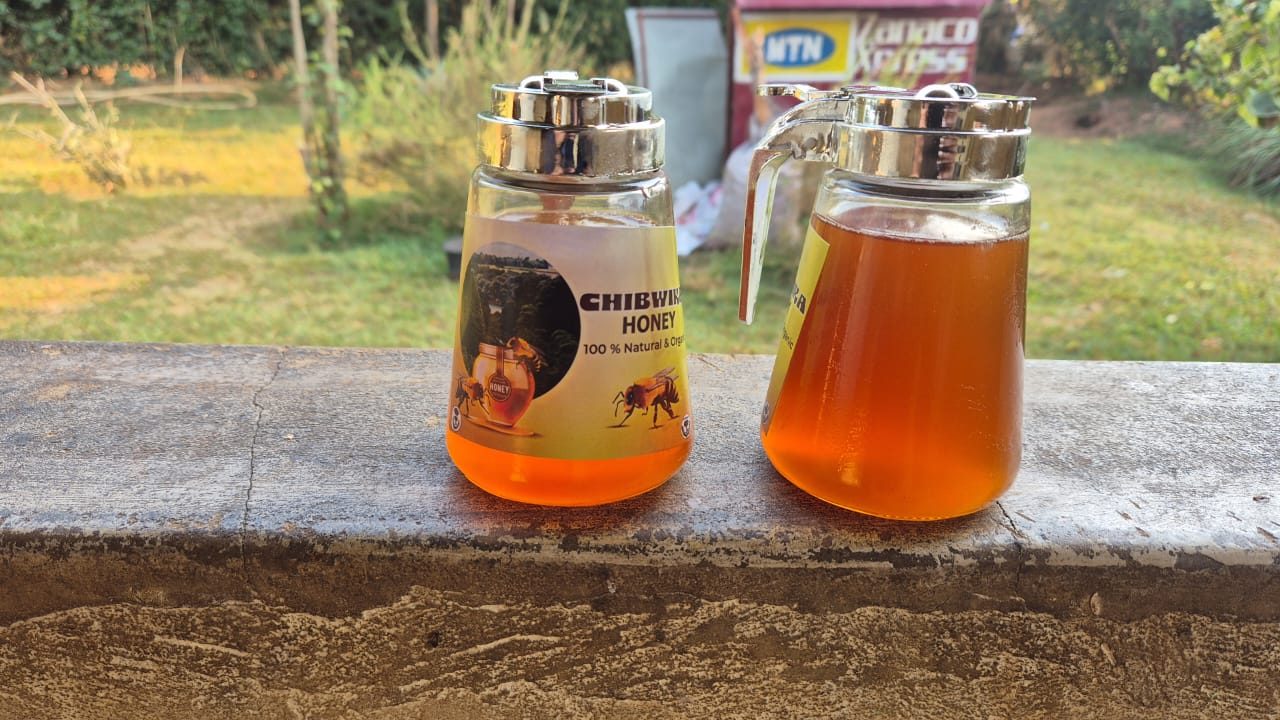
Chibwika Honey — 100% natural and organic

A healthy community is the precondition for everything else we want to achieve. Our priorities are access to primary healthcare, maternal and child health, nutrition particularly for young children, and prevention of communicable disease.

We work with the District Health Office and partners on community-based interventions, on supporting our rural health centres, and on bringing health-promotion conversations into the everyday life of the chiefdom. Nutrition links directly to our agriculture work — a well-nourished community is also a more productive one.

06. Sector Six

Mining & Energy

Wattled Cranes at a Chibwika wetland

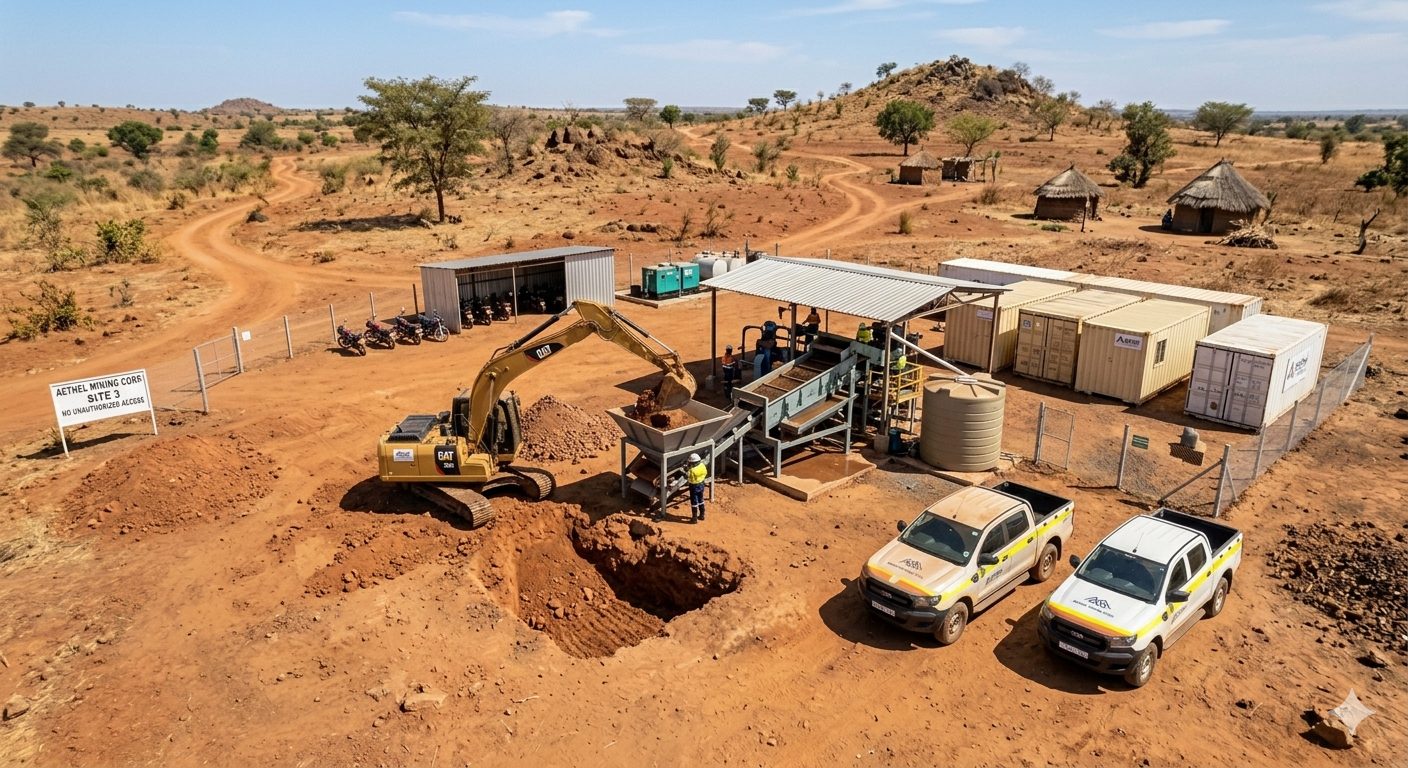
North-Western Province is the heart of Zambia's modern mining economy. Chibwika's relationship to that economy must be carefully and deliberately managed, in the interests of our people and our land.

We work to ensure that any mineral or energy activity touching the chiefdom proceeds with full and meaningful community consent, with proper environmental safeguards, and with benefits that flow visibly to the people of Chibwika. We also look at the energy needs of our own developing economy — grid access, renewable options, productive use of power — as a strategic priority in their own right.

07. Sector Seven

ICT & Digital Transformation

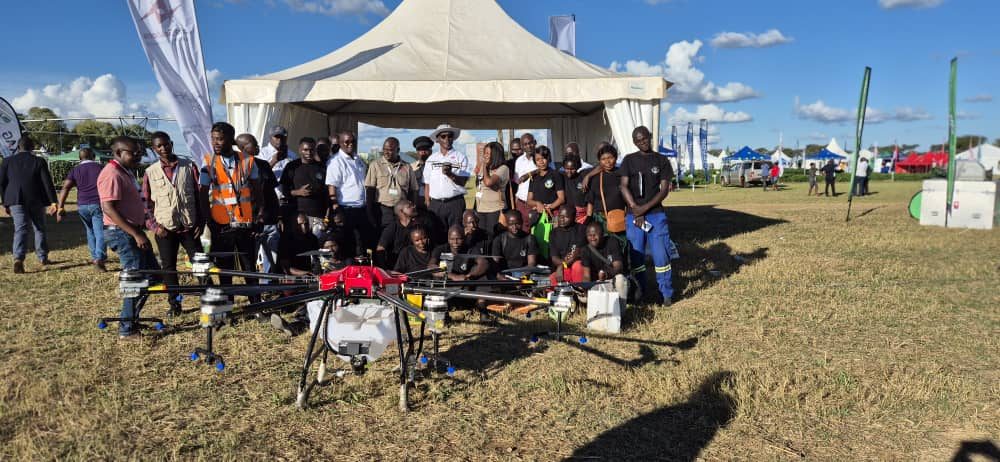
Agricultural drone technology demonstrated at the Chisamba Agritech Expo

Governance begins with knowledge. The chiefdom is working to build digital records of community life — village registers, customary land allocations, and traditional dispute-resolution proceedings — to provide transparent, accessible and durable documentation of customary authority. These records, made digital, give permanence to what previously existed only in memory and paper.

Beyond governance, digital access unlocks opportunity. Connectivity is now in place at the Chief's palace and Chibwika Primary School through Starlink, creating a foundation for e-learning, e-government services and digital enterprise across the community. Our priority is to build the structured programmes and enabling infrastructure that translate that connectivity into genuine capability — for students, teachers, cooperatives and community leaders alike.

We are particularly focused on bridging the digital divide within the chiefdom, building digital literacy across generations, and equipping our young people — women especially — with the skills that define economic participation in today's world.

Enabling Initiative

A solar-powered digital transformation hub for Chibwika

A solar-powered ICT hub is being developed through a partnership between the chiefdom, the Smart Zambia Institute and private sector partners. When complete, it will function as a community access point for e-learning, e-government services and digital enterprise — powered by renewable energy, open to every member of the chiefdom.

Partner with us

From sectors to projects

Each sector houses specific projects, each with its own theory of change, partners, and funding requirements. We welcome conversations with those who would like to walk alongside us on any of these fronts.