Language
Lunda is spoken in homes, fields and ceremonies. It carries history in its idioms and meaning that does not always translate cleanly into English or Bemba. We hold it as a treasure.
Our story is older than the borders that cross our land — a story of kinship, language, ceremony and shared belonging that stretches across three modern nations.
The Lunda kingdom, in its time, was one of the great political and cultural systems of central Africa — its reach extending across what is now Zambia, the Democratic Republic of the Congo and Angola.
From this kingdom flowed institutions of governance, traditions of ritual and ceremony, and bonds of language and kinship that long predate the colonial borders. The Lunda-speaking peoples of these three modern nations are children of the same heritage. Chibwika Chiefdom is part of that wider story — anchored in Zambia, but always conscious of its kin across the rivers.
To be Lunda is to belong to a network of meaning that runs through ceremony, ancestry and obligation to community. The Chief is not only a leader; he is a custodian — a holder of trust between the living, the ancestors and the land.
Lunda is spoken in homes, fields and ceremonies. It carries history in its idioms and meaning that does not always translate cleanly into English or Bemba. We hold it as a treasure.
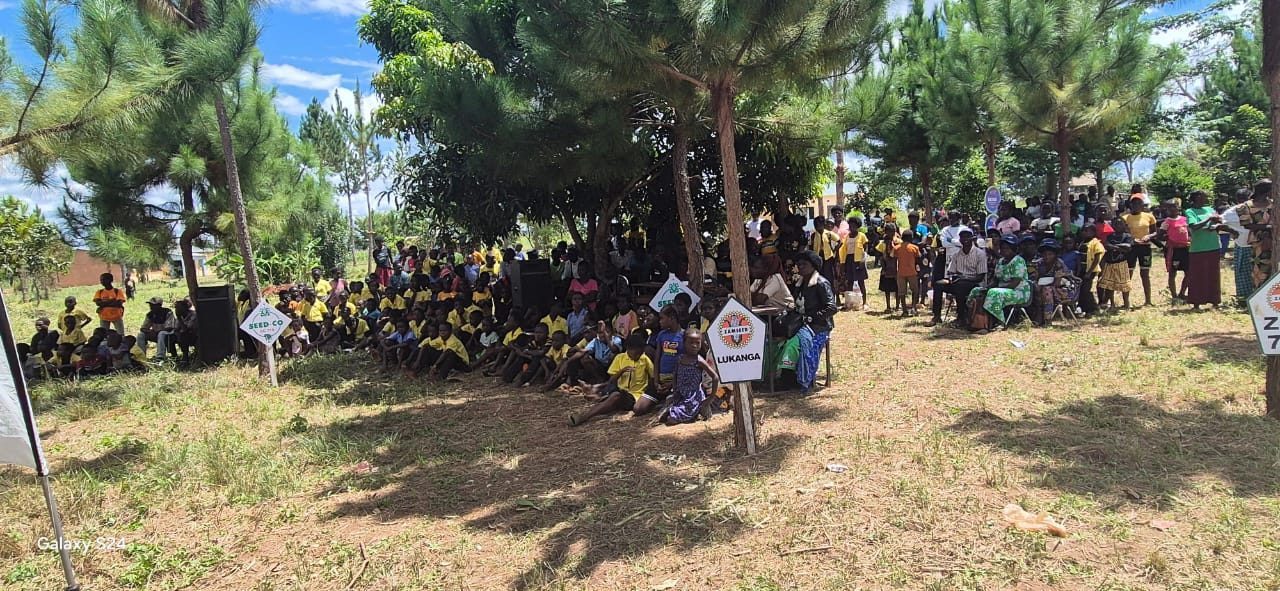
Initiation, marriage, harvest, installation of leadership — each marked by ceremonies that join generations and re-affirm community. They are not folklore; they are how we tell ourselves who we are.
Drums, hand-claps, call-and-response singing, the steps of women and men in unison — our music carries the same memory that our stories do, in a different language entirely.
Basket-weaving, beadwork, wood-carving, textile-dyeing — skills passed mother to daughter, father to son, that today find renewed value in markets that respect provenance and meaning.
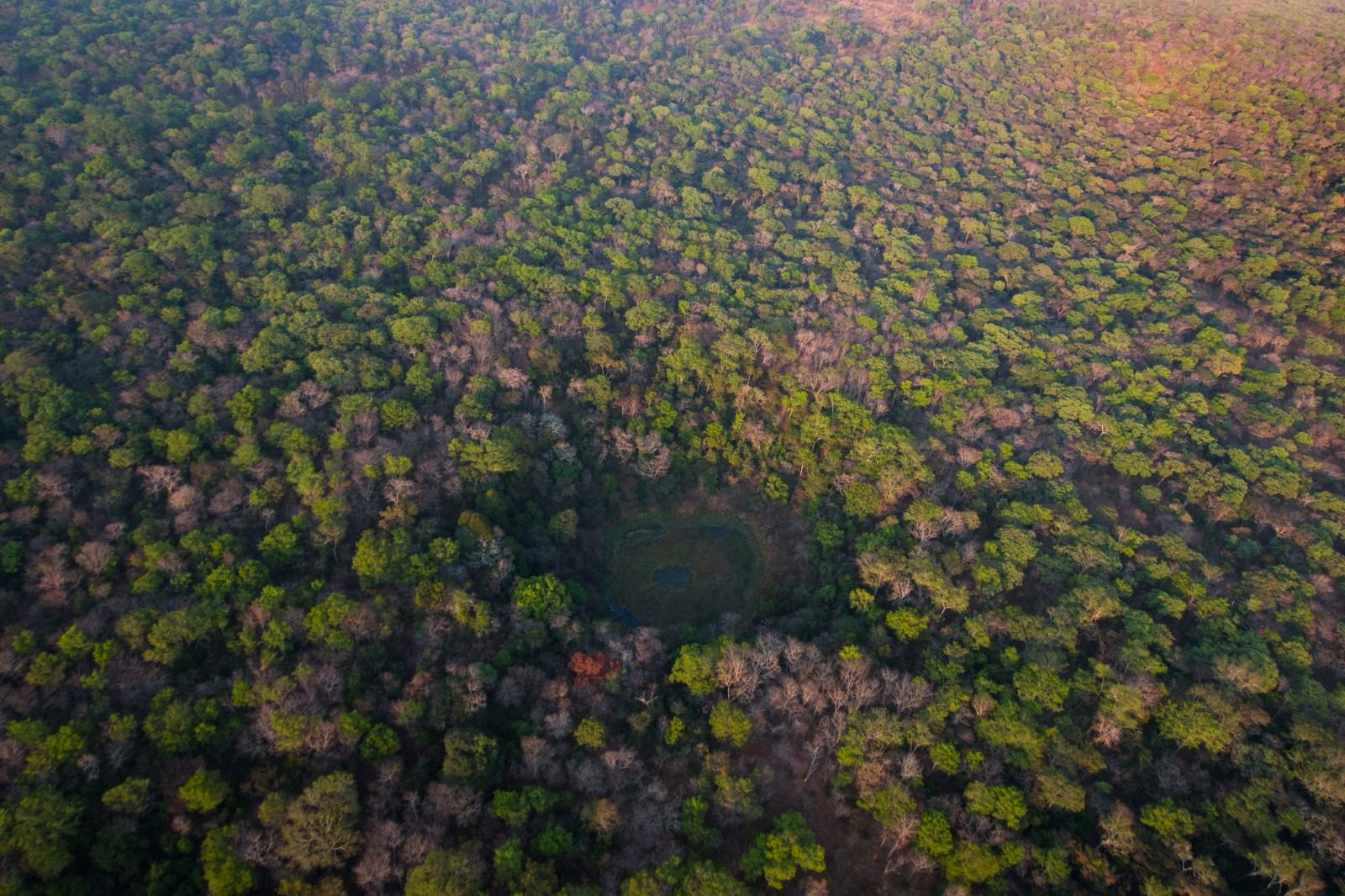
Which plants heal, which seasons to plant, which forest paths lead where — a body of knowledge accumulated over generations, of growing interest to the modern world that has begun to forget such things.
Mutual obligation is woven into how we live. Building a roof, raising a child, mourning a loss, celebrating a wedding — none of it is undertaken alone. The community holds.
We are a people of the in-between — between the rivers, between the borders, between the past that shaped us and the future we are shaping. From that position, we draw our strength.
A Chibwika reflectionThe Chibwika of today is a community that holds tradition close while reaching outward. Our young people study at universities in Lusaka, Solwezi and beyond, then return — or stay in touch — bringing new ideas and skills home. Our women's groups run savings circles, vegetable plots and small enterprises. Our farmers experiment with improved varieties and better techniques alongside the practices they inherited.
We are connected to mobile networks, social media and global markets, while remaining grounded in our churches, our cultural assemblies and the daily rhythms of village life. This dual citizenship — of tradition and of modernity — is not a contradiction. It is the texture of contemporary Chibwika.
The chiefdom's development priorities flow from that texture: we want our people to thrive economically, to be healthy, to be educated, to be proud of who they are.
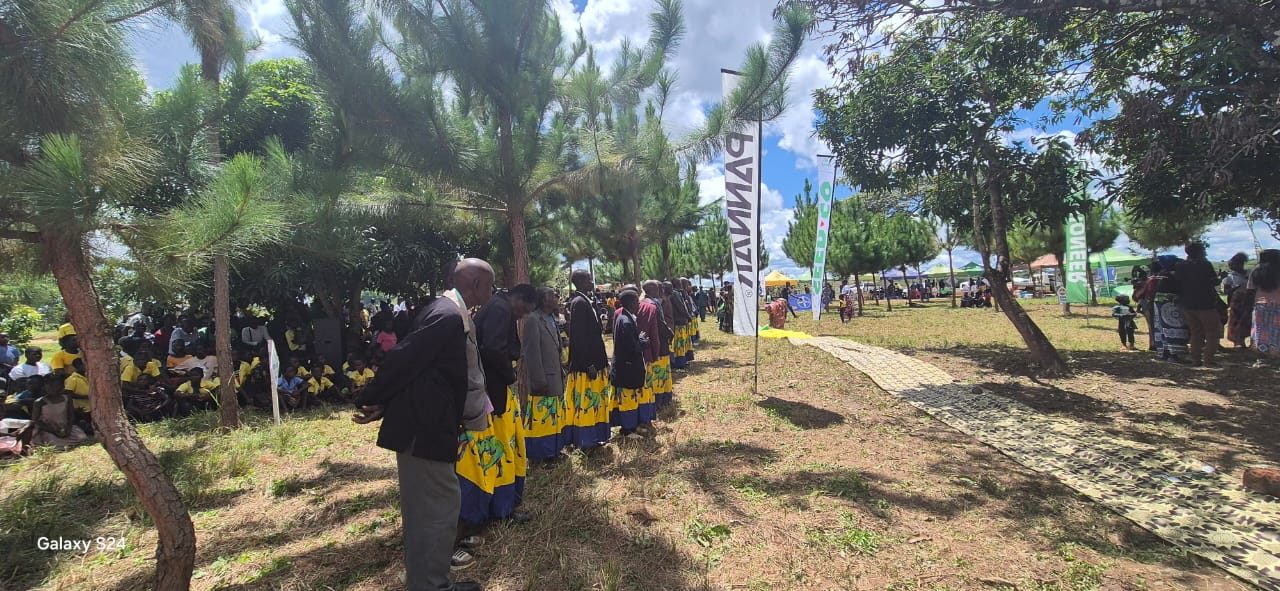
Our development sectors translate the strengths of our people and our land into practical, measurable improvement of lives.